

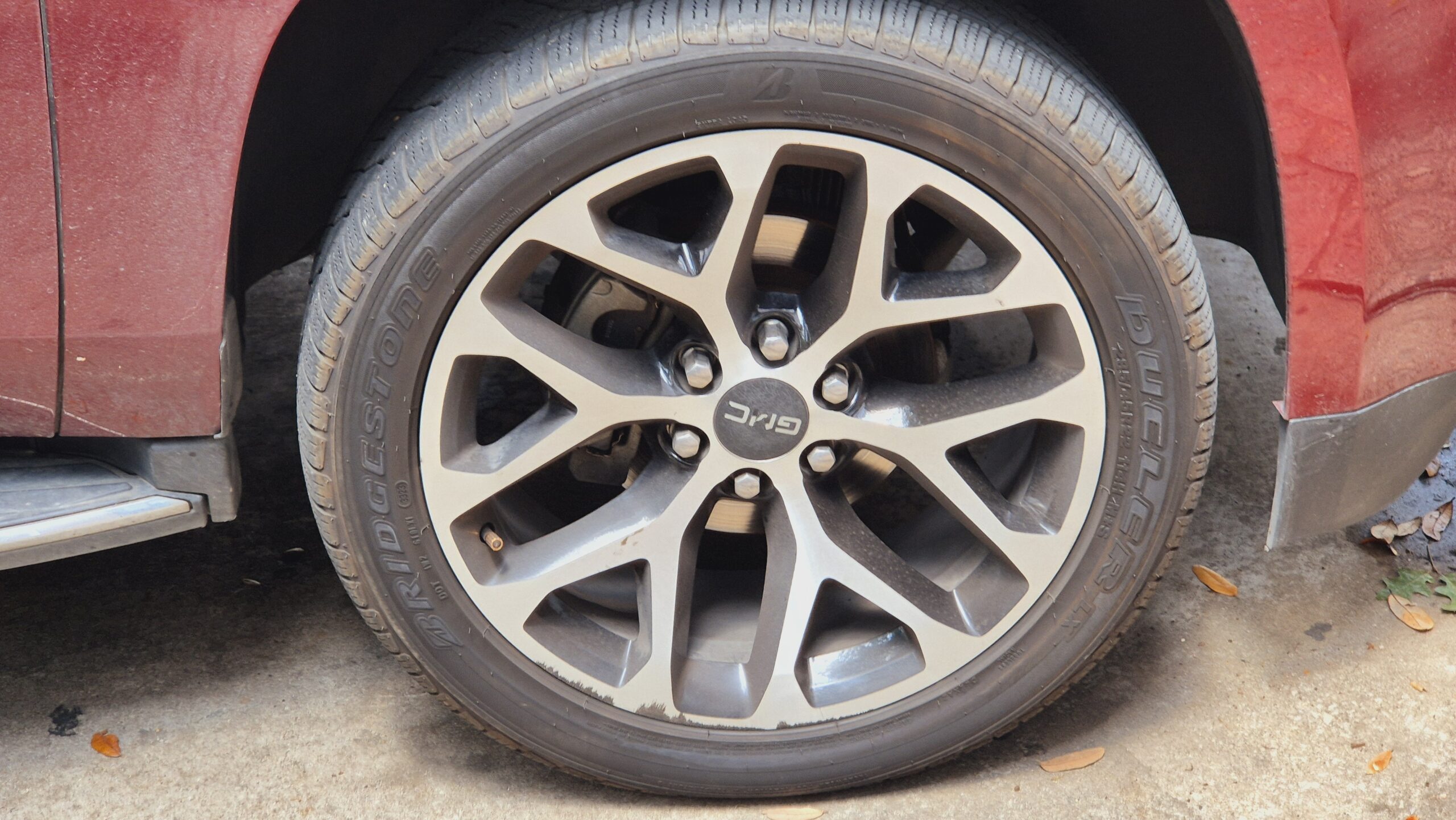
Bridgestone is treating racing like a development lab, using motorsport to accelerate sustainable tire technology from prototype to showroom. The company says this year’s race tire integrates core elements of its ENLITEN platform, technology already available on select Bridgestone and Firestone consumer tires, proving these ideas can survive real-world stress and speed.
ENLITEN technology is designed to cut CO2 in tire production by as much as 48 percent compared with conventional tires, while preserving performance, safety, and durability. That balance is what Bridgestone is after: lighter rolling weight without sacrificing the grip or service life buyers expect.
Partnerships are central to the strategy. Bridgestone is working with ENEOS to reclaim carbon black from tire pyrolysis, and with Teijin Aramid to produce circular Twaron material. Those collaborations helped the company build tires that top 65 percent recycled and renewable content, a milestone showcased on the 2025 Bridgestone World Solar Challenge tires. Those low-rolling-resistance, lightweight, puncture-resistant tires are built to carry solar cars across more than 3,000 km of harsh terrain.
Bridgestone calls events like the World Solar Challenge a mobile laboratory. The company uses races to stress new compounds, constructions, and materials under extreme conditions, then feeds the lessons back into products destined for everyday cars. That push is aligned with Bridgestone’s broader targets of carbon neutrality and sourcing 100 percent sustainable materials by 2050.
The company’s efforts do not stop with ENLITEN. Bridgestone is exploring guayule rubber for IndyCar tires, and it developed Potenza Sport tires for the Audi E-Tron GT that contain 55 percent sustainable materials, broken down as 35 percent renewable and 20 percent recycled content. The recovered carbon black approach, via pyrolysis, also yields big CO2 savings, reportedly cutting emissions by 81 percent versus virgin carbon black.
Bridgestone’s work links into an ecosystem of partners. Ventures with LanzaTech and cooperation with other industry players, including Michelin, help scale novel feedstocks and circular processes. Those alliances speed validation and help bridge the gap between the racetrack and mass production.
Racing-derived validation also supports lifecycle strategies. Bridgestone’s Bandag retreading business diverts millions of tires from waste and saves crude oil by extending tire life, reinforcing the circular theme beyond just new-materials development.
Motorsport is not the endgame, it is the proving ground. By putting ENLITEN components and recycled inputs through the heat of competition, Bridgestone is shortening the path from experimental material to consumer-ready tire. For readers who want the original coverage, see https://www.forbes.com/sites/michaelharley/2026/04/17/bridgestones-motorsport-pipeline-to-greener-tires/.


