

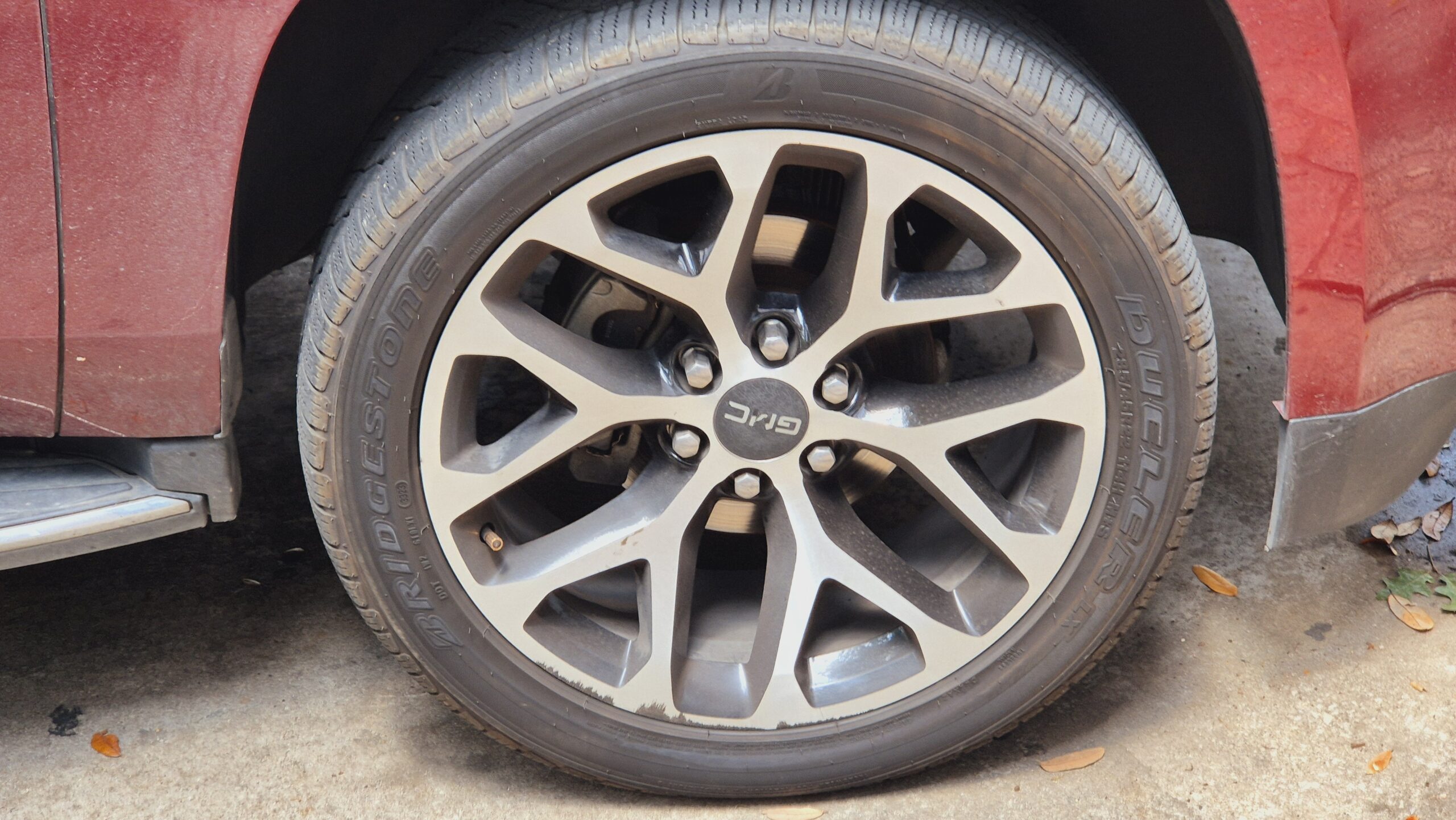
Bridgestone is using the racetrack as a proving ground for sustainable tire technologies, and the strategy is starting to show up on consumer rubber. According to https://www.forbes.com/sites/michaelharley/2026/04/17/bridgestones-motorsport-pipeline-to-greener-tires/, the company is folding key elements of its ENLITEN Technology into 2026 race tires while the same ingredients are already on select Bridgestone and Firestone road models.
ENLITEN is shorthand for a set of design and material choices that trim weight, cut rolling resistance, and swap in more sustainable inputs without sacrificing performance. On the track, those traits translate to faster lap times and less energy loss. On the street, they mean better efficiency and a smaller manufacturing carbon footprint.
Bridgestone supplies tires to some of the highest-profile series in motorsport, including Formula 1, the IMSA WeatherTech SportsCar Championship, and endurance events such as the Bridgestone World Solar Challenge. The company treats these programs as a testbed where engineers can push compounds and constructions to extremes, then iterate quickly based on real-world race data.
A standout case is the 2025 World Solar Challenge entry. Those tires use more than 65 percent recycled and renewable materials and represent the first application of recovered carbon black from end-of-life tires, supplied through a collaboration with Eneos. They also incorporate circular Twaron aramid fiber provided by Teijin.
The Solar Challenge rubber needed to do three things: resist punctures, remain durable over a 3,000 kilometer continent-crossing event in Australia, and keep rolling resistance extremely low so the solar-powered cars can eke out maximum range. According to the reporting, the tires delivered on those goals while demonstrating how circular materials can perform in extreme conditions.
That practical validation matters. Bridgestone frames motorsport as a “mobile laboratory,” a place to co-create solutions with partners and accelerate technologies that can migrate from race cars to daily drivers. Data gathered under racing stresses helps engineers tune compounds and constructions more quickly than in lab-only development.
Bridgestone says ENLITEN can cut CO2 emissions in tire production by as much as 48 percent compared with conventional tires, while maintaining the high heat, load, and wear resistance needed in competition. The company positions that improvement as evidence that race-derived advances can reduce environmental impact without dumbing down performance.
For consumers the payoff is straightforward. Technologies proven on track are showing up on select Bridgestone and Firestone models, offering lower rolling resistance and reduced weight. Those traits improve fuel economy or electric range and support the industry shift toward more circular material flows.
Racing will not solve sustainability on its own, but Bridgestone’s approach uses high-stress competition to speed up validation and supplier collaboration. The result is a clearer pipeline for turning experimental materials and lighter constructions into tires that work every day, on real roads, for real drivers.


