

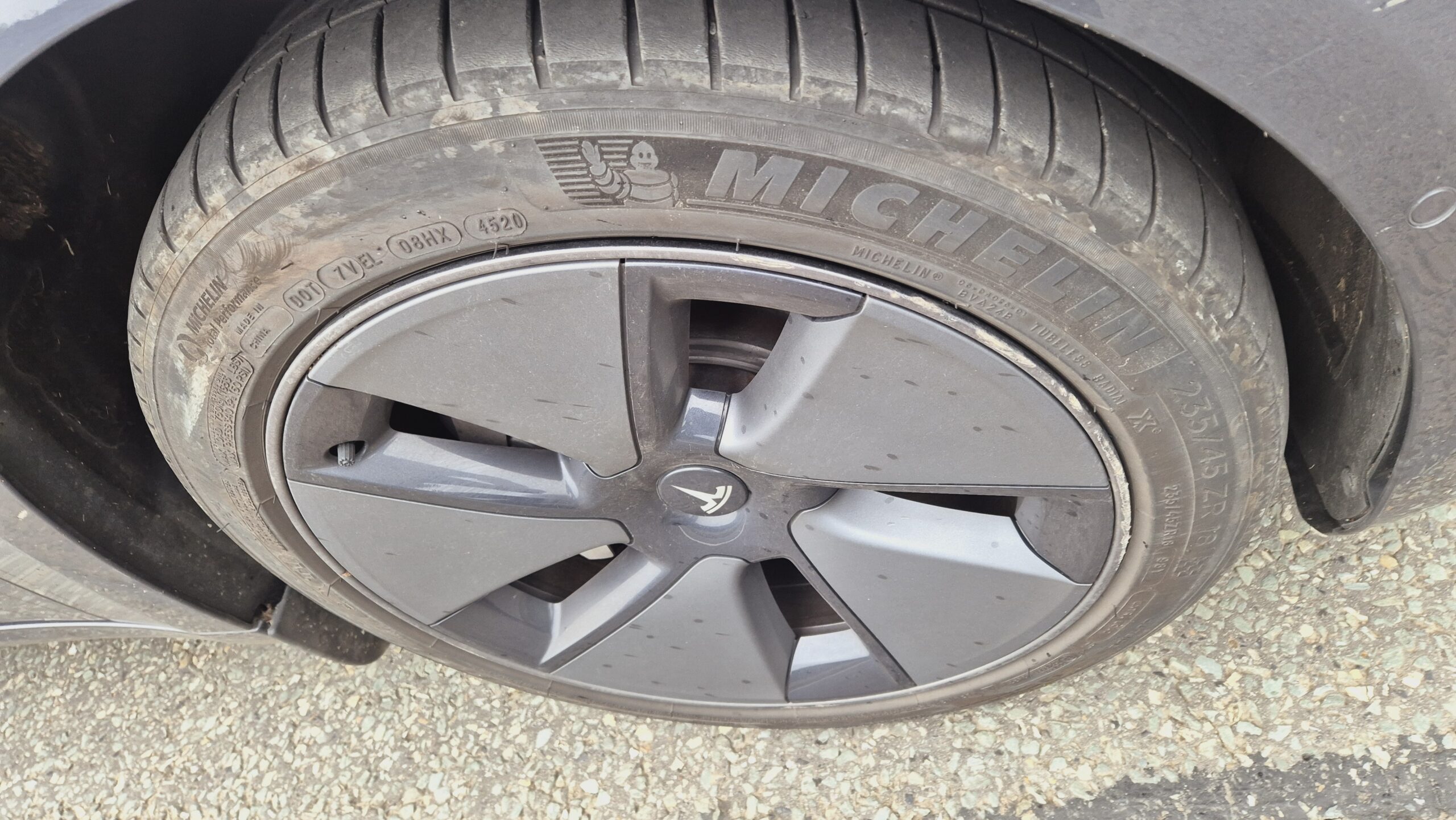
According to slashgear.com, Michelin says its new Primacy 5 Energy tires can extend electric vehicle range by as much as 10 percent, which the company equates to roughly 43 miles, or 70 kilometers, per charge. The improvement comes from reduced rolling resistance, which Michelin rates at A in its category, and is packaged with claims of better longevity and quieter operation.
The Primacy 5 Energy relies on what Michelin calls Energy Passive 2.0 Technology. That combines functionalized elastomers, new resins, and an optimized tread architecture to lower energy loss as the tire deforms while rolling. Less energy lost to the tire means less battery draw, which is the straightforward path to more range.
Beyond range, Michelin says the compound and tread design extend tire life. The company claims up to 40 percent longer mileage than competing options, and a fuel efficiency benefit for internal combustion cars of about 6 percent, or 0.3 liters per 100 kilometers saved. Those gains aim to make the tire relevant across EVs, hybrids, and traditional gasoline or diesel cars.
Safety and comfort are part of the pitch as well. Michelin reports the Primacy 5 Energy earns a Triple A rating for efficiency, wet grip, and noise. Wet braking performance is improved too, with up to 8 percent shorter stopping distances compared with the outgoing model, both when new and worn down to 2 mm of tread depth.
Availability covers a wide range of passenger wheel sizes. Michelin lists 33 sizes from 16 to 19 inches, positioning the tire for mainstream EVs and higher-volume models. The company adds that the tire has already secured approvals from major automakers, a common step for OE fitment that helps accelerate adoption.
Michelin also introduced a companion performance option, the Pilot Sport 5 Energy. It aims to blend sport-car handling with low rolling resistance, carrying an A rating for rolling resistance while promising motorsport-derived handling characteristics. Michelin says the Pilot Sport 5 Energy is engineered for sustained speeds up to 300 km/h.
For EV drivers, the headline is reduced range anxiety without major tradeoffs in grip, durability, or ride quality. Michelin highlights quieter operation and lower cabin noise, which matter to buyers switching to electric cars where tire and wind noise are more noticeable.
From an industry perspective, Michelin frames these products as premium summer tires meant to raise the bar across a segment that represents about 80 percent of global tire sales. The company estimates lifecycle CO2 savings up to 327 kilograms per tire, and potential fuel cost reductions up to 169 euros over a tire’s service life, figures intended to underline broader environmental benefits.
The technical claims are measurable, and real-world gains will depend on vehicle type, driving style, and local conditions. Still, the Primacy 5 Energy and Pilot Sport 5 Energy reflect a clear trend: tire makers are targeting rolling resistance as a lever to help electrification pay off for consumers, without sacrificing safety or comfort.


