

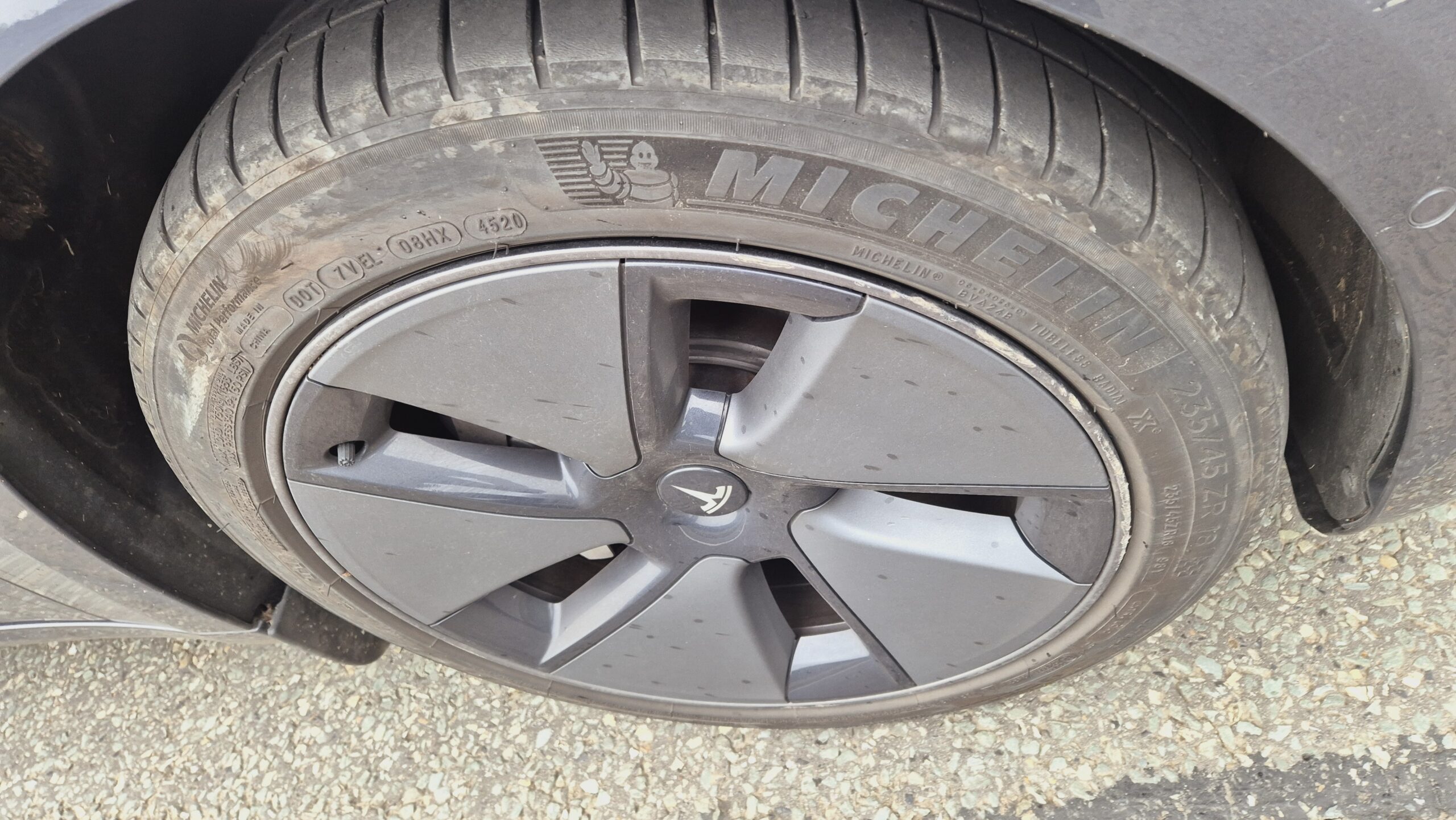
According to slashgear.com, Michelin and Continental are embedding RFID tags inside tires so each unit can be tracked from factory production through end-of-life processing. Michelin says more than 100 million tires with the technology are already on the road, a sign the industry is moving beyond simple serial numbers and paper records. The tags are built to survive a tire’s full service life and to communicate key data at multiple points in the supply chain.
The immediate operational benefits are practical and measurable. During delivery and warehouse handling, RFID scanning is faster and more reliable than manual checks, reducing inventory errors and speeding throughput. At vehicle assembly plants, tags let line technicians and automated systems confirm the right tire and fitment are installed before a car leaves the plant.
For fleets, the tags turn tires into data sources. They can feed mileage, location, pressure and temperature information into fleet-management systems, giving operators near real-time insight into tire condition. That data can be stored and analyzed so maintenance teams move from calendar-based servicing to predictive interventions based on historical performance.
The technology also tightens recall processes. When tires are linked to vehicle VINs at the factory, manufacturers can target owners directly and much faster, limiting risk and improving safety outreach. Because the RFID chips are permanently embedded in the rubber, they cannot be removed or swapped, which makes counterfeiting and gray-market substitution harder to pull off.
Durability was a design requirement. The tags use flexible, heat-resistant materials so they tolerate wide temperature swings, repeated flexing and the harsh conditions that tires face on-road. Michelin has even opened portions of its RFID patents to encourage broader adoption and smoother data sharing across the supply chain.
Regulation is starting to push the technology toward wide use. The European Union is beginning to require unique digital identification for each new tire produced, which will standardize how tires are tracked from manufacture to recycling and reuse. That move should help repair shops, fleet operators and recyclers work from a common dataset.
For drivers and the businesses that rely on tires, the change matters because it ties a physical product to a persistent digital record. Faster recalls, clearer ownership history, better anti-counterfeit protection and data-driven maintenance are the sorts of gains that can reduce downtime and improve safety without changing how people buy or fit tires.


